This website uses cookies. Learn more


7 takeaways from Reform Party Conference 2026
- By George Campkin, Account Director
From policy shifts to emerging challenges, what are the new developments, how will they impact the political landscape, and what do they mean for UK business.
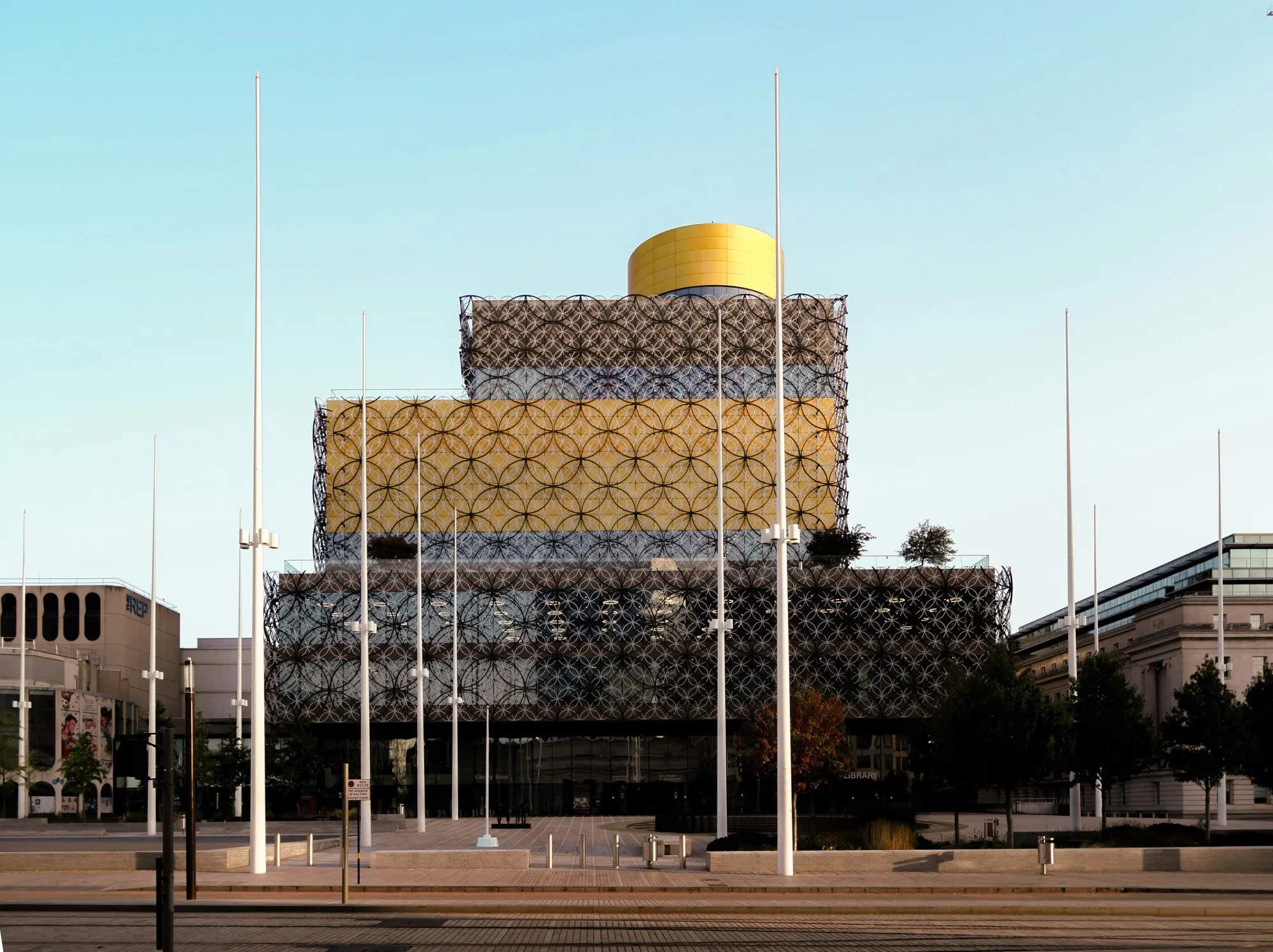
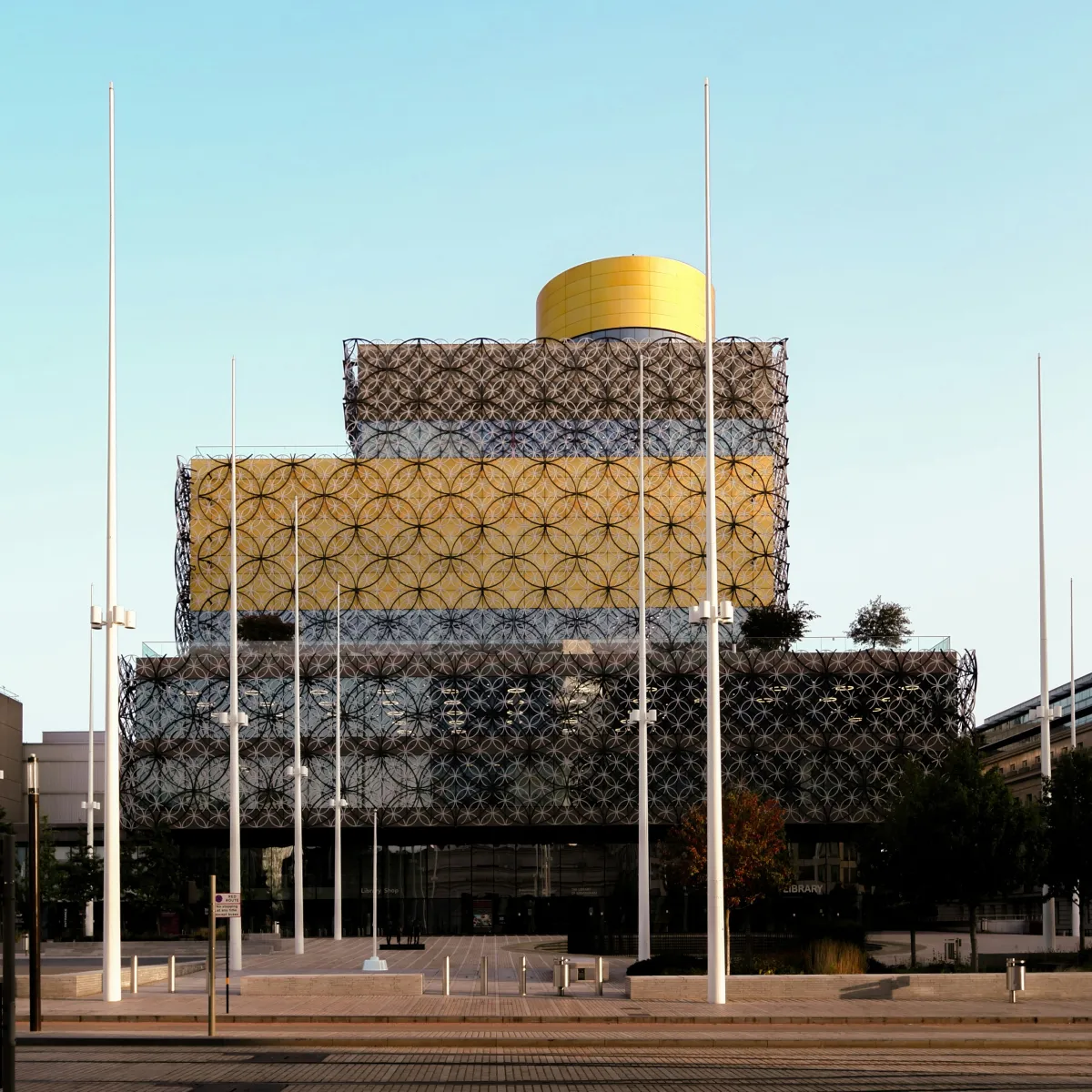
Reform’s Birmingham conference showed that the party has moved materially closer to being a serious political organisation but also exposed the central contradiction in its strategy: it needs to professionalise, broaden and demonstrate governing competence without losing the insurgent identity and political intensity that created its support in the first place.
#1. The conference was supposed to be about “The First 100 Days” of a Reform government but ended up being about whether Reform is ready for government at all.
Reform wants voters, markets and Whitehall to think of it as a government-in-waiting rather than a protest party. There was substantially more policy detail than at previous conferences, including commitments on tax, welfare, energy, education, defence, and the machinery of government, but the execution at the conference undermined the headline message.
The conference suffered delays and missing speakers, with Reform insiders commenting that the party is still “a bit of a pirate ship”. The Business Dinner on Thursday evening cost hundreds of pounds a ticket, yet some sat on tabled with no Reform representatives. One attendee said: “If you don't have enough party advisers, council leaders or politicians to host a table, don’t sell me a ticket. I was sat next to an empty chair.”
#2. The financial scandal was more damaging than the party faithful wanted to admit.
The Channel 4/Verbatim investigation – and the subsequent suspension of James Orr, Reform’s Head of Policy, and Dan Jukes, Farage’s de facto Chief of Staff – dominated the conference narrative, despite Farage's attempts to characterise it as establishment entrapment or “local issues”.
Reform is asking voters to trust it to govern following an election that Farage continues to claim could be next year, while simultaneously facing repeated questions about its own basic party controls.
#3. Inside the conference, Farage’s bond with the membership remains exceptionally strong, but outside, there are trust problems.
The conference contained two very different moods. Inside, the “People’s Army” remained highly loyal. The anti-establishment explanation for the scandal was readily accepted, Farage merchandise was everywhere, and his closing address received the emotional response expected of a leader with a deeply committed base.
But outside the hall, and among media and corporate attendees, the story was scandals, falling support, racism controversies, and organisational dysfunction. The way that members jumped to Farage’s defence shows that Reform does not have a loyalty problem among its core base, but it does have a conversion problem in bringing wider support into the tent.
#4. Electoral momentum has stalled and tactical voting is the strategic threat.
The latest YouGov Westminster poll puts Reform and Labour both on 23%, with the Conservatives on 20%. That is a very different position from Reform’s 27% in early June. More worrying for the party is the electoral structure beneath the headline number. Recent by-elections have shown that anti-Reform tactical voting can neutralise a Reform lead. More in Common data presented at the conference showed Reform’s share of the combined right-wing vote falling from 63% to 50% in a year.
The scale of the challenge was acknowledged unusually candidly at the fringe. Reform board member Gawain Towler estimated its existing base at around six million voters, against the 13-14 million it needs to win power. The problem is that those additional voters do not necessarily want the same things as Reform’s existing supporters.
#5. Reform’s policy offer is becoming more coherent, but also harder to reconcile with its electoral coalition.
Economically, Reform is trying to construct what Robert Jenrick calls a “post-Thatcherite” offer: national preference and selective intervention alongside deregulation and lower taxes. Jenrick’s £15,000 personal allowance is a clear retail manifestation of this: a simple, tangible offer aimed squarely at working voters. But Reform is attempting to hold together a disparate electoral coalition.
More in Common’s Sophie Stowers told a fringe that Reform loyalists tend to focus on immigration’s cultural effects, while newer supporters focus more on pressure on housing and public services. Economically, however, both groups are more interventionist than the party’s rhetoric sometimes implies. Reform board member Gawain Towler argued that they want relief from “taxes on aspiration”, not tax cuts for the wealthy.
The risk is that writing a real programme for government forces Reform to make choices its deliberately broad coalition has so far been able to avoid.
#6. There is now genuine preparation for government, but two Reform cultures are visible.
Danny Kruger’s work, as Reform’s Head of Preparation for government, is increasingly substantive. He says the party intends to enter government with legislation, implementation plans, sequencing, personnel, and a national security strategy already prepared: “When Nigel walks into Number 10, he won’t be receiving the plan from the civil service. He will be giving the plan to the civil service”.
Kruger’s comments throughout the conference displayed the beginnings of a thought through plan for changing the fundamental structures of government: a businessperson as Defence Secretary to lead deep procurement reform, removing the Cabinet Secretary role and abolishing the Cabinet Office, changing civil service pay structures to align better with delivery, and systematically reforming all quangos and regulators. But this sits alongside Farage’s flashy promises to declare a national emergency, cancel parliamentary recesses, sit Parliament for six days a week, and potentially appoint hundreds of peers.
Whether Reform is genuinely building a competent state-reforming government, or simply a more detailed version of the insurgency it has led so far is not yet clear.
#7. Farage is not going anywhere soon, but the question of what happens without him has become unavoidable.
Farage’s authority over the membership remains intact and he remains the party's principal electoral asset, even if there is a huge negative voting intention against him. Even the handling of the donation scandal ultimately reinforced his centrality to the operation, with details needing to be confirmed with Farage after conflicting accounts from party chair, Lee Anderson, and other Reform top brass.
Yet the rumours about his future are not entirely fanciful. Farage told the BBC at the close of the conference that his family had wanted him to “pack it up and walk away”, although he said he had not considered doing so and believed the worst was now over. The conference reinforced the view that Reform has built a movement around Farage, not yet a party capable of comfortably surviving without him.
-
Our Public Affairs team will be on the ground throughout conference season, following the conversations, policy shifts and political dynamics shaping the months ahead. We’ll be sharing what we’re hearing and helping organisations make sense of what it means for them.
Stay in the loop with our experts











New Business: to find out how we can help you, contact our dedicated new business team consultancy@lansons.com
Careers: we’d love to hear from you, please visit our Careers Hub