This website uses cookies. Learn more


7 key takeaways from Labour Party Conference 2026
- By George Oates, Associate Director
Labour left Liverpool with more confidence and a clearer sense of political purpose than it had on arrival.
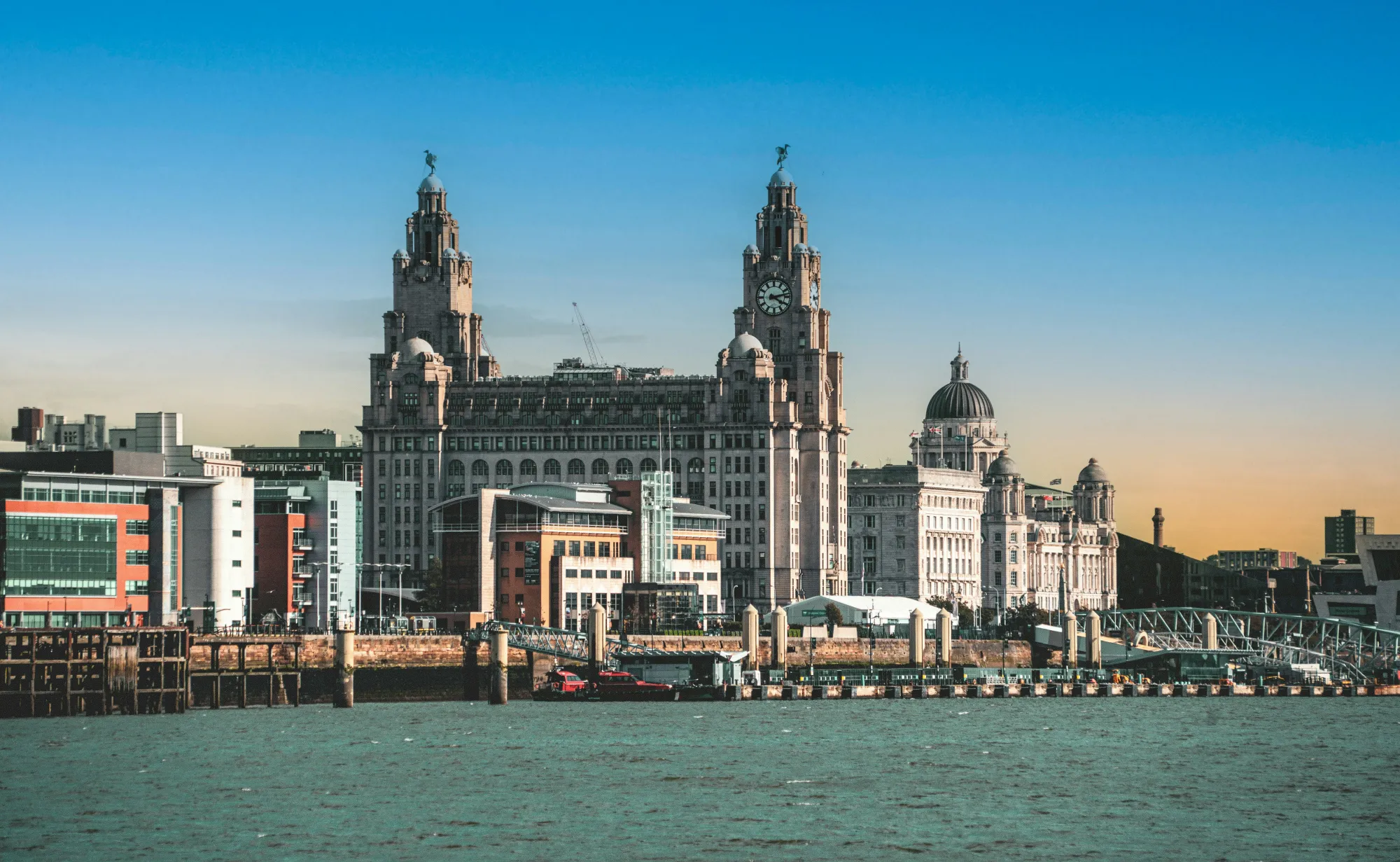
Andy Burnham’s speech gave shape to the party’s emerging offer, but the week also exposed the practical tensions that will define the next phase of government.
#1. Burnham has repaired the Labour family
Burnham spent much of the summer restoring relationships with the PLP, unions and membership. Liverpool felt like the culmination of that work.
His speech was values-led, personal and unusually direct. The response in the hall suggested that the party now has greater confidence in both its leader and the direction of travel.
After several years of managing internal difference, Labour has rediscovered a shared political language.
#2. The new political economy is invest now, save later
The defining idea of Burnham’s programme is that public investment and greater control over essential infrastructure can reduce costs and unlock growth over time.
Housing, energy, water, social care and local government sit at the centre of this approach. The argument is not simply for a larger state, but for a state that takes responsibility for the systems which shape household finances, business costs and regional opportunity.
The challenge is timing. Much of the spending comes early, while the savings and wider economic gains arrive later. That makes the Treasury the central test of whether this philosophy can move from conference platform to government policy.
#3. Growth policy was notable for its absence
Liverpool offered plenty on the state, public services and institutional reform. It offered less clarity on the business policies that will drive investment, productivity and growth in the near term.
There were broad commitments on reindustrialisation, lower energy costs and crowding in private capital. The detail, however, remains to come. Businesses looking for a clearer account of tax, regulation, investment incentives and sector strategy will now look to the Budget, the 10-Year Plan and next year’s Spending Review.
For now, Labour has set out a destination more clearly than the commercial route map.
#4. The Budget remains under lock and key
The Government’s approach to the Budget resembles the early days of the administration. A small group knows the detail, everyone else is left reading the tea leaves.
John Healey’s description of a “breathing space Budget” has prompted considerable interest. It could point to support for smaller businesses, action on energy costs or measures intended to ease pressure on households and employers.
The Treasury is maintaining discipline around the process. That leaves markets, business groups and Labour MPs watching closely for signals on capital gains tax, the bank surcharge and the broader fiscal direction.
#5. Devolution is creating new political dividing lines
Devolution was everywhere in Liverpool. Burnham’s emphasis on pushing power out of Whitehall, alongside plans to strengthen mayoral authorities, points to an increasingly important role for mayors in delivering growth, infrastructure and public-service reform.
But there is a tension underneath this. MPs in areas with established mayors increasingly have powerful regional institutions able to shape investment and negotiate directly with Whitehall. Those outside mayoral structures are increasingly questioning where that leaves them.
This could create a new dividing line within the PLP between places benefiting from greater devolved power and those concerned about being left behind.
#6. Kanishka is becoming one to watch
AI Minister Kanishka has emerged as one of the conference’s most effective messengers. He was in high demand across the week and spoke comfortably about investment, innovation, public-sector reform and Britain’s position in the global AI race.
His appeal is that he connects technical policy with a wider economic story. AI is presented as a route to higher productivity, more effective public services and private investment rather than a standalone technology brief.
In a conference short on detailed growth policy, he offered one of the clearest versions of how Labour wants innovation to fit into its economic model.
#7. Labour has found its purpose. Delivery comes next.
The conference gave substance to the “Hope Again” message. Burnham offered an argument about what his government is for and the party responded enthusiastically.
The difficult work starts immediately. The Budget, the 10-Year Plan and the Spending Review will require decisions on spending, taxation, regulation and priorities.
Liverpool established the political direction. The next test is whether Labour can turn that direction into a credible programme for investment, growth and reform.
-
Our Public Affairs team will be on the ground throughout conference season, following the conversations, policy shifts and political dynamics shaping the months ahead. We’ll be sharing what we’re hearing and helping organisations make sense of what it means for them.
Stay in the loop with our experts










New Business: to find out how we can help you, contact our dedicated new business team consultancy@lansons.com
Careers: we’d love to hear from you, please visit our Careers Hub